Concrete Sealing in Kansas City, KS
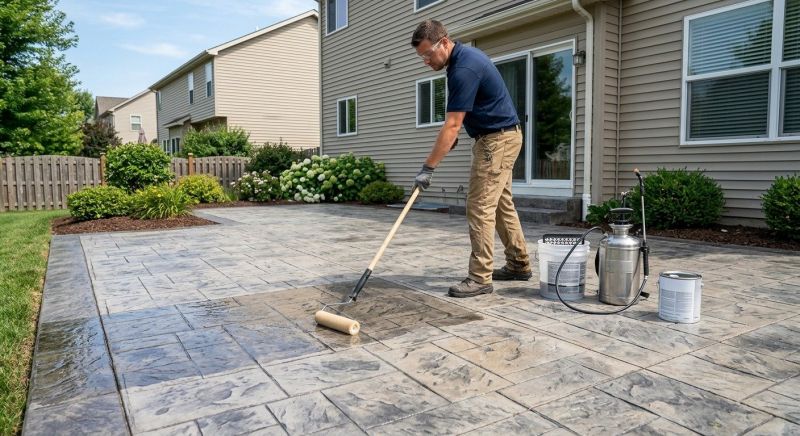
Concrete sealing is a protective treatment applied to concrete surfaces to help prevent damage from moisture, stains, and wear over time. This service is commonly requested for driveways, patios, walkways, garage floors, and other outdoor concrete structures. Sealing creates a barrier that reduces the absorption of water and contaminants, which can extend the lifespan of the concrete and maintain its appearance. Property owners often want to understand the different types of sealers available, how often sealing should be performed, and whether the surface needs any preparation before application.
Before requesting concrete sealing services, property owners should consider the current condition of their concrete surfaces, including cracks or damage that may need repair beforehand. It’s also useful to know the intended use of the area, as certain sealers are better suited for high-traffic or exposed outdoor spaces. Proper surface cleaning and drying are typically necessary prior to sealing, and understanding the benefits of different sealing options can help in choosing the most suitable solution for long-term protection and aesthetic appeal.
Many property owners in Kansas City, KS look into Concrete Sealing for repairs, replacements, upgrades, and appearance-related improvements.
Protection Against Stains And Spills
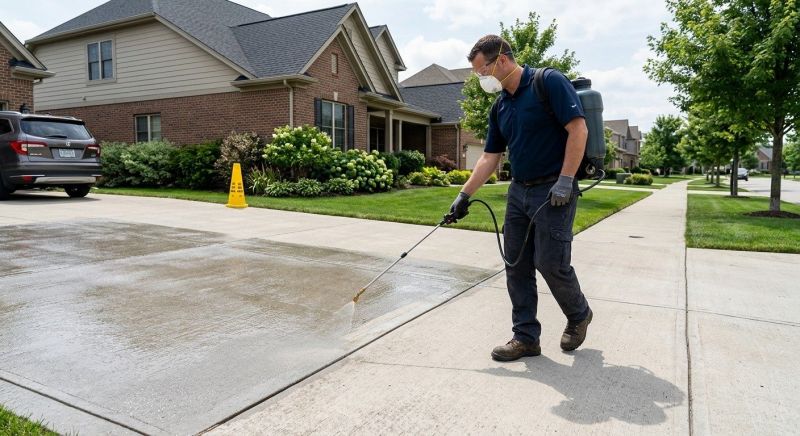
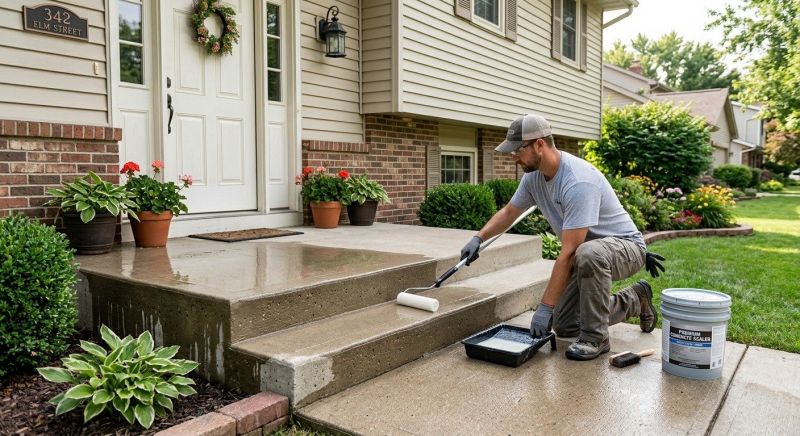
Concrete sealing helps prevent stains from oil, grease, and other common spills on driveways and patios.
Enhancing Durability And Longevity
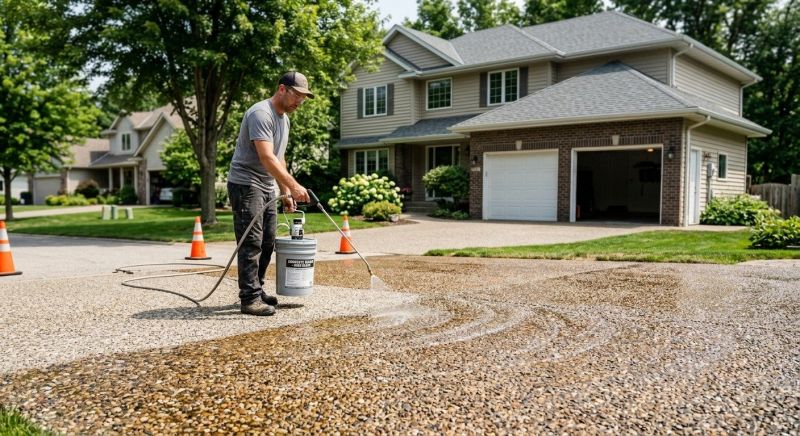
Sealing concrete surfaces can extend their lifespan by reducing surface wear and damage from weathering.
Maintaining Appearance And Value
A well-sealed concrete surface retains its color and appearance, boosting curb appeal for homes in kansas city, ks.
Concrete Sealing in Kansas City, KS

Concrete sealing is a protective treatment applied to concrete surfaces to help prevent damage from moisture, stains, and wear over time. This service is commonly requested for driveways, patios, walkways, garage floors, and other outdoor concrete structures. Sealing creates a barrier that reduces the absorption of water and contaminants, which can extend the lifespan of the concrete and maintain its appearance. Property owners often want to understand the different types of sealers available, how often sealing should be performed, and whether the surface needs any preparation before application.
Before requesting concrete sealing services, property owners should consider the current condition of their concrete surfaces, including cracks or damage that may need repair beforehand. It’s also useful to know the intended use of the area, as certain sealers are better suited for high-traffic or exposed outdoor spaces. Proper surface cleaning and drying are typically necessary prior to sealing, and understanding the benefits of different sealing options can help in choosing the most suitable solution for long-term protection and aesthetic appeal.
Many property owners in Kansas City, KS look into Concrete Sealing for repairs, replacements, upgrades, and appearance-related improvements.
Common Concrete Sealing Jobs
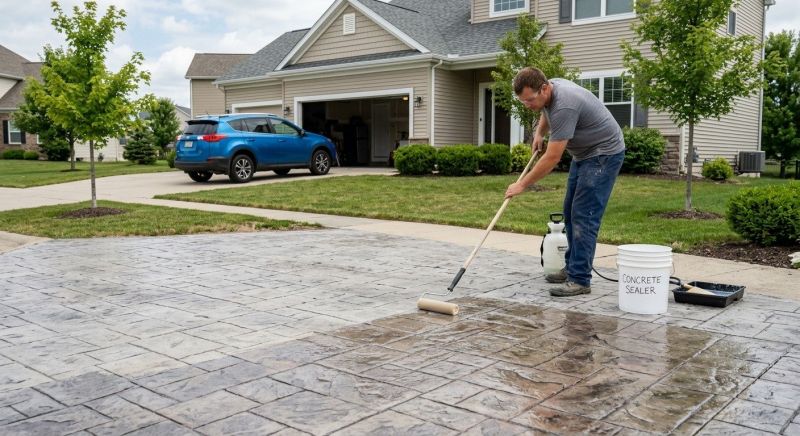
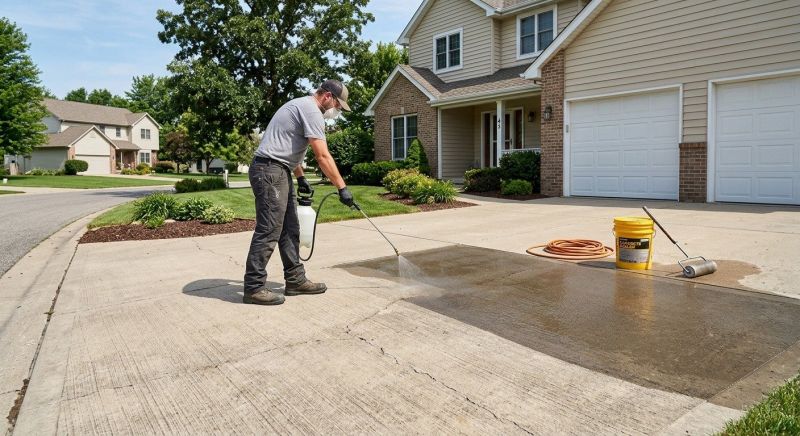
Driveway sealing - protects asphalt surfaces from water damage and extends their lifespan.
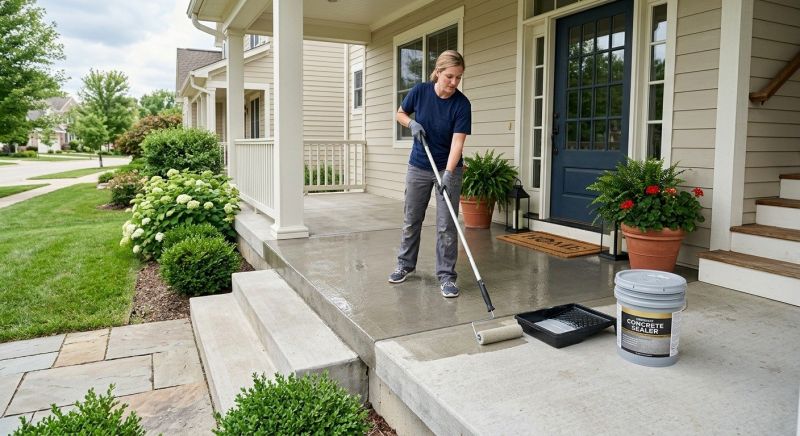
Patio sealing - enhances the appearance and durability of concrete or stone patios.
Garage floor sealing - prevents stains, cracks, and wear on concrete garage surfaces.
Walkway sealing - helps maintain safety and prevents deterioration of concrete walkways.
Pool deck sealing - creates a waterproof barrier that reduces slipping and weathering.
Concrete surface sealing - provides a protective layer to resist stains, moisture, and surface damage.
Concrete Sealing Questions
What is concrete sealing? Concrete sealing involves applying a protective coating to surfaces to prevent damage from moisture, stains, and wear.
Which projects benefit from concrete sealing? Driveways, patios, walkways, and garage floors are common projects that benefit from sealing for added durability.
How does sealing extend concrete lifespan? Sealing helps prevent cracks, surface deterioration, and staining, maintaining the appearance and strength of concrete over time.
When should concrete be sealed? Concrete should be sealed after it has fully cured, typically a few weeks after pouring, and resealed periodically based on wear conditions.
Request Concrete Sealing in Kansas City, KS
Use the quote form on this page to share the basics of your project and request more information for the type of work you need.